Our Location
1130 Upper Hembree Rd , Roswell, GA 30076
According to the CDC, nearly half of American adults have high blood pressure — about 48 percent, or roughly 120 million people. Only around one in four of them has it under control.
Those two numbers together are the whole problem. It is extremely common, and most of the people who have it are not on top of it.
Why It Is Missed So Often
Because it does not feel like anything.
This is the single most important thing on the page. High blood pressure is, in the overwhelming majority of cases, completely without symptoms until it has already caused damage. There is no headache that reliably signals it, no dizziness, no flushed face, nothing you can feel for. Advice to "watch for the signs of high blood pressure" is worse than useless, because it implies you would know, and it leads people to skip the only thing that actually detects it.
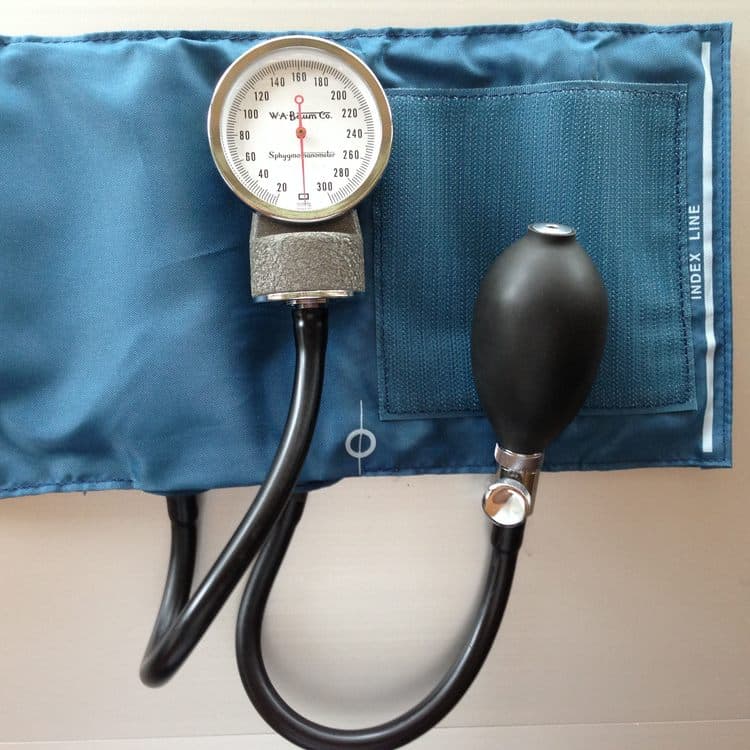
The only way to know is to measure it. A cuff, a couple of minutes, repeated on more than one occasion.
What the Numbers Mean
Under the current American College of Cardiology and American Heart Association definitions:
- Normal: below 120 over 80
- Elevated: 120–129 systolic and below 80 diastolic
- Stage 1 hypertension: 130–139 over 80–89
- Stage 2 hypertension: 140 over 90 or higher
A single high reading does not make a diagnosis. Blood pressure moves through the day, and it rises in a clinical setting for a fair proportion of people, which is why home readings taken properly over a week are often more informative than one measurement in a waiting room.
Why It Matters
Sustained high pressure forces the heart to work harder and damages artery walls over years. The consequences are the ones everyone has heard of and nobody connects to a number on a cuff: stroke, heart attack, heart failure, kidney damage, aneurysm and vision loss.
The damage accumulates silently, which is exactly why a condition that feels like nothing deserves to be taken seriously.
What Genuinely Lowers It
These are well established and the effect sizes are real:
- Sodium reduction. Most of it comes from packaged and restaurant food rather than the salt cellar, which is why reading labels beats moving the shaker.
- The DASH eating pattern, which is among the best-studied dietary interventions in medicine for this specific outcome.
- Potassium from food — vegetables, fruit, beans — unless you have kidney disease or take a medication where that is contraindicated, in which case ask first.
- Regular aerobic activity, which lowers pressure independently of weight loss.
- Weight loss where relevant. Even modest, sustained loss moves the number.
- Cutting alcohol back, which surprises people by how much it matters.
- Sleep, including treating sleep apnoea, which is a common and badly under-recognised driver.
- Stopping smoking, and stress management, which helps some people considerably and others hardly at all.
For many people with Stage 1 hypertension and no other major risk factors, that list is the first-line approach, and it works. For others it is not enough on its own, and that is not a personal failure.
What We Will Not Tell You
We will not tell you to stop your blood pressure medication, and we will not offer to eliminate hypertension. Both of those appear in natural health marketing, including in an earlier version of this very page, and both are dangerous. Stopping antihypertensive medication without medical supervision causes strokes.
What is realistic: lifestyle change genuinely lowers blood pressure, sometimes enough that a prescriber reduces or stops a medication. That decision belongs to the prescriber, made on the strength of measured readings, and we are glad to be part of getting someone to that point.
Where We Fit
Alongside your physician. The useful work is on diet, weight, activity, sleep, alcohol and stress, plus checking whether something correctable sits underneath the number — thyroid function, sleep apnoea, kidney issues, or a medication or supplement that raises blood pressure, which several do. Our heart health page covers that, integrative cardiology covers working with a cardiologist, and exercise and cardiovascular health covers the movement side.
Nothing here diagnoses or treats disease. If you do not know your blood pressure, that is the first thing to fix, and it costs nothing. To talk through the lifestyle side alongside your medical care, call (770) 674-6311 or request an appointment . We see patients from Roswell, Alpharetta, Johns Creek, Atlanta and across the north metro.
Ready to heal naturally?
Start your personalized naturopathic, functional & holistic care plan in Roswell, GA, proudly serving Alpharetta, Atlanta & the greater Fulton County area.
Search
Categories
- Adrenal Health 1
- Benefits of Detoxification 2
- Brain Health 2
- Breast Cancer 1
- Cardiovascular Disease 1
- Colonic Hydrotherapy 5
- Conditions 10
- Corrective Massage Therapy 1
- Diarrhea 1
- Gut Health 6
- Heavy Metal Detox 1
- Hormonal Imbalance 1
- Hyperbaric Oxygen Therapy 2
- Immune Health 1
- Lifestyle 8
- Nutrition and Health 12
- Treatments 12
- Health and Wellness 12
- Weight Management 2
- Whole Body Health 11
- Soft-Shell Hyperbaric Chamber 1
Recent Posts
- Adrenal Fatigue: Symptoms and Solutions April 2026
- Benefits of Colon Hydrotherapy April 2026
- Benefits of Hyperbaric Chamber Oxygen Therapy April 2026
- Beyond the Bulb Syringe: Why Colon Hydrotherapy Offers a More Thorough Cleanse April 2026
- Brain’s Role in Mental Health April 2026
- Colon Hydrotherapy in the Atlanta Metro Area April 2026